


 1300 778 628


Shed Maintenance Checklist for Steel Sheds in Perth and WA
Shed maintenance is easy to put off. A steel shed looks solid, so most owners leave it alone until a door jams, a gutter overflows or a brown rust streak appears down a wall sheet.
By then, small problems have usually had months to grow. Leaf litter holds water against the roof, salt builds up under the eaves and a loose screw lets a sheet rattle in every storm. Repairs cost far more than the checks that would have caught them.
The good news is that a well built steel shed needs very little from you. Whether it’s a backyard garage or a large maintenance shed on a mine site, this guide covers every part of the building, how often to check it and how to adjust for WA conditions.
That’s true whether you own one of the sheds Perth customers rely on or you’re still planning a new build with our shed designer online.
Here’s Everything You Need to Know in Under a Minute
- Hose down areas the rain doesn’t reach at least every six months, and every three months near the coast or heavy industry.
- Clear the roof and gutters regularly, especially if trees overhang the shed or you’re in a bushfire area.
- Check doors, seals and fasteners twice a year. Clean roller door guides and lubricate them with silicone spray, never grease.
- Keep soil, mulch and stored materials off the wall sheets to stop rust at the base.
- Treat scratches and surface rust early with a small brush and matched touch up paint.
- Inspect the slab, footings, frame and bracing once a year for cracks, pooling water and loose bolts.
- Use mild soap and water only. Skip abrasive cleaners, solvents and high pressure on seals.
- Keep a simple maintenance log, and leave roof work, door springs and structural repairs to a professional.
Table of Contents
-
- Essential Shed Maintenance Checklist
- Tools and Supplies for Shed Maintenance
- Roof, Gutter and Downpipe Maintenance
- Wall Cladding and Coating Care
- Door and Window Maintenance
- Frame, Bracing and Fastener Checks
- Slab, Footings and Drainage
- Ventilation, Condensation and Insulation
- Electrical, Plumbing and Water Tanks
- Seasonal Shed Maintenance for WA Conditions
- Maintenance by Shed Type
- Keep a Shed Maintenance Log
- Signs Your Shed Needs More Than Maintenance
- Built to Last From the Start With Action Sheds
- Frequently Asked Questions
What Does Shed Maintenance Involve?
Maintaining a shed involves regular cleaning, structural checks and seasonal care to prevent rust, water damage and pest problems.
For a steel shed, the focus is simple. Protect the coating, keep water moving away from the structure and make sure every fixing stays tight. The same principles apply to a backyard garage and to large industrial sheds. Only the scale and frequency change.
Businesses with commercial sheds Perth and regional sites often fold these checks into their existing site maintenance plan. Homeowners can cover most of it in an afternoon twice a year.
Essential Shed Maintenance Checklist
- Exterior Cleaning: Wash the walls with mild detergent and water to remove dirt, salt and mildew. Focus on areas the rain doesn’t reach, such as under eaves and above doors. Avoid high pressure near seals, flashings and joins.
- Roof and Gutters: Clear leaves and debris from the roof and gutters so water can’t pool and leak into the structure. Repair split guttering, loose roof sheets and lifted flashings promptly.
- Doors and Windows: Check window seals and silicone every six months and reseal any gaps. Lubricate door hinges, latches and roller door guides so they open smoothly.
- Steel and Coating Protection: Touch up scratches and chips with manufacturer matched paint before rust starts. Treat any surface rust early, before it spreads under the coating.
- Fasteners and Frame: Check that bolts, screws and brackets are tight and free of corrosion. Replace missing or rusted screws with the correct class of fastener.
- Foundations and Floor: Inspect the slab, footings and floor annually for cracks, moisture and loose anchor bolts. Keep the ground around the base clear of soil, mulch and standing water.
- Ventilation and Moisture: Make sure vents and whirlybirds are working and clear. If you see drips forming under the roof, our condensation and ventilation guide explains how to fix it.
- Pests: Look for droppings, nests and gaps around doors and flashings every few months. Seal entry points and vermin proof your shed before problems start.
How Often Should You Maintain Your Shed?

Most steel sheds need a quick look every month, a closer check twice a year and a full inspection once a year. Use this schedule as your baseline, then adjust it for your location using the section further down.
| How Often | What to Do |
|---|---|
| Monthly | Walk around and look for damage. Clear the roof and gutters if trees overhang the shed. |
| Every 3 Months | Clear gutters on open sites, check for pests, test RCD safety switches and hose unwashed areas on coastal or industrial sites. |
| Every 6 Months | Hose unwashed areas on standard sites, check door and window seals, lubricate doors and guides, and check sealant on flashings. |
| Yearly | Tighten fasteners, check bracing, inspect the slab and anchor bolts, touch up coating damage and have roller door springs serviced. |
| After Storms | Check for lifted sheets, dents, broken flashings, blocked gutters and leaks while the damage is fresh. |
Tools and Supplies for Shed Maintenance
You don’t need much to keep a steel shed in good order. A small kit kept in the shed itself makes it far more likely the jobs get done.
- Garden hose with a spray nozzle, soft brush and clean cloths
- Mild pure soap or non abrasive detergent
- Silicone spray lubricant for doors, guides and locks
- Neutral cure silicone sealant suitable for metal roofing
- Manufacturer matched touch up paint and a small artist’s brush
- Spare roofing screws in the correct class and colour
- Cordless drill with a hex driver, socket set and spanners
- Gutter scoop, gloves, safety glasses and a stable ladder
- Torch for checking roof spaces, corners and the underside of gutters
Avoid acid cure silicone, which can corrode steel, and skip wire brushes on painted surfaces unless you are treating rust.
How to Clean a Colorbond or Zincalume Shed Without Damaging It
Steel sheds are low maintenance, but the coating is what protects the steel. Clean it the wrong way and you shorten its life.
BlueScope’s COLORBOND steel maintenance guidance recommends rinsing areas that rain doesn’t wash at least every six months. It advises more frequent cleaning in coastal areas with salt spray. Roof sheets exposed to rain generally clean themselves.
Follow these steps for a safe clean:
- Rinse the surface with clean, fresh water first to loosen dust and salt.
- For stubborn grime, use a soft brush or cloth with mild soap or a non abrasive detergent in warm water.
- Work from the top down and rinse thoroughly so no residue is left behind.
- Avoid abrasive pads, solvents and harsh chemicals, as these can damage the paint finish.
- Keep pressure washers on a low setting and well away from seals, flashings and joins.
Pay extra attention to the spots rain never reaches. These include wall sheets under the eaves, the tops of door openings, the underside of gutters and any wall that faces away from prevailing weather.
Roof, Gutter and Downpipe Maintenance
The roof takes the most punishment and is the hardest part to see. Most leaks start here, so it deserves a careful look at least once a year from a safe position.
Roof Sheets and Fasteners
Look for loose or missing screws, damaged washers and sheets that have lifted at the edges. Hail, foot traffic and thermal movement can all loosen fixings over time.
Replace a rusted or stripped screw with a new one of the same class and colour, or a slightly larger gauge if the hole is worn. Leave the actual roof work to a professional unless you have proper fall protection.
Flashings, Ridge Capping and Sealant
Flashings and ridge capping seal the joins where water is most likely to get in. Check that they sit flat, that fixings are tight and that sealant around vents and other penetrations hasn’t cracked or pulled away.
Old sealant should be cut out and replaced rather than covered over. Use a neutral cure silicone that is compatible with the roofing material.
Skylights and Polycarbonate Sheets
Clean skylights with mild soap and water only, as solvents can cloud or crack polycarbonate. Over time, UV exposure can make older sheets brittle or discoloured.
If a skylight has yellowed, cracked or lets in water around its fixings, have it replaced. Never step on a skylight, as it won’t hold your weight.
Gutters and Downpipes
Blocked gutters overflow into the wall cavity and can hold water against the steel long enough to cause corrosion. Scoop out leaves and sediment, then flush the gutter with a hose and confirm water runs freely out of every downpipe.
Check joins and end caps for leaks, and make sure downpipes discharge away from the slab or into stormwater. Metal leaf guards reduce the workload under trees and add protection in bushfire areas.
Wall Cladding and Coating Care
Wall cladding is your shed’s first line of defence against weather. Keeping the coating intact is the single most effective way to stop rust before it starts.
Scratches and Chips
Small scratches through the paint should be touched up before moisture reaches the steel beneath. Clean and dry the area, then apply manufacturer matched touch up paint sparingly with a fine brush.
Keep touch ups as small as possible. Large patches of new paint weather differently to the original finish and can look worse over time, so avoid spray cans across broad areas.
Dents and Impact Damage
Shallow dents are mostly cosmetic and rarely need attention if the coating is intact. Dents that have cracked the paint or creased the sheet should be touched up or the sheet replaced.
In busy sheds, consider bollards or kick rails near doors and vehicle paths. They cost far less than replacing damaged wall sheets.
Swarf, Soil and Stored Materials
After any drilling or cutting, sweep off steel filings (swarf) straight away. They rust on the surface within days and leave stains that look like coating failure.
Keep soil, mulch, firewood and garden beds clear of the wall sheets. Materials that stay damp against the steel hold moisture and salts in place, which is the most common cause of rust along the base of a shed.
How Do You Treat Rust on a Steel Shed?
Treat rust as soon as you see it. Surface rust is a quick job, while rust left for a few seasons can eat through a sheet and become a replacement job.
Surface Rust
Light orange staining or rust spots on the surface can usually be treated in place. Follow these steps:
- Clean the area with mild soap and water and let it dry.
- Remove loose rust with a fine abrasive pad or wire brush, keeping to the affected area.
- Wipe clean, then apply a suitable metal primer.
- Finish with manufacturer matched touch up paint.
Rust That Has Gone Through the Steel
If you can see holes, flaking layers or soft spots, the steel has lost strength. Painting over it won’t fix the problem.
Have the affected sheet, flashing or member replaced, and find out what caused it. Otherwise, the new section will fail the same way.
What Causes Rust on a Steel Shed?
Most rust problems come from a few repeat causes:
- Soil, mulch or wet materials sitting against the wall sheets
- Swarf left on the roof or walls after drilling
- Salt or industrial fallout in areas the rain never rinses
- Water running off copper pipes, lead flashing or air conditioner units onto coated steel
- Contact with treated timber, wet concrete or other incompatible materials
- Scratches and cut edges left untreated
Removing the cause is as important as treating the rust itself.
Door and Window Maintenance

Doors get used every day, so they wear faster than any other part of the shed. A quick clean and lubricate twice a year keeps them working smoothly and sealing properly.
Roller Doors
Wipe the guides clean of dust and grit, then lubricate them lightly with silicone spray. Grease attracts dirt and makes the door harder to run, so avoid it on the guides and curtain.
Check that the door runs evenly and stays in place when half open. Spring tension adjustment should always be left to a professional, as the springs hold a lot of stored energy. For panel lift doors and finish care, our guide to maintaining a Colorbond garage door covers the details.
Sliding Doors
Clear the bottom guide and track of dirt, stones and leaves, which are the usual cause of a sticking sliding door. Check that rollers move freely and that the door sits square in its frame.
If the door drags or jumps the track, the rollers or hangers may need adjusting or replacing.
Personal Access Doors and Locks
Lubricate hinges, latches and locks with silicone spray or graphite. Check that the door closes fully and that the weather seal along the bottom is intact.
A door that has started to bind can be a sign the frame has moved, so note it in your log and watch for changes.
Windows and Seals
Check window seals and silicone every six months for cracking, shrinking or gaps. Reseal with a compatible neutral cure sealant, and make sure weep holes at the bottom of the frame are clear.
Clean glass and frames with mild soap and water. Damaged flyscreens are worth replacing quickly, as they also keep out insects and small pests.
Frame, Bracing and Fastener Checks
The frame is what keeps your shed standing in high winds, so it’s worth a yearly check from the inside.
Look along columns, rafters and purlins for rust, bending or impact damage. Check that cross bracing is tight and hasn’t been loosened, cut or removed to make room for storage or a mezzanine.
At ground level, inspect column bases and anchor bolts for corrosion and movement. Tighten loose bolts, and call a professional if any structural member is bent, cracked or heavily rusted.
Never modify the frame, remove bracing or cut new openings without professional advice. Each change affects how the building handles wind loads.
Slab, Footings and Drainage
A sound slab and good drainage keep water away from the steel and stop the frame from moving.
Hairline shrinkage cracks in concrete are common and usually harmless. Cracks that are widening, moving out of level or letting water through need a professional assessment.
Make sure the ground around the shed falls away from the slab. Water should never pool against the base of the walls after rain, and the bottom of the wall sheets should sit clear of soil, gravel and mulch.
Inside, seal any floor cracks and clean up oil, fertiliser and chemical spills promptly. Spills left on the slab can track to the base of the walls and attack the coating.
Ventilation, Condensation and Insulation
Steel sheds can build up condensation when warm, moist air meets a cold roof. Over time, constant dripping can damage stored goods and corrode fixings from the inside.
Check that whirlybirds spin freely, that vents aren’t blocked and that the roof insulation blanket hasn’t sagged, torn or been nested in by pests. Damaged insulation loses much of its value and should be repaired.
If condensation is an ongoing problem, improve airflow before it becomes a rust problem. Better ventilation, roof insulation and sealing gaps that let in humid air all help.
Electrical, Plumbing and Water Tanks
Powered sheds need a few extra checks. Test RCD safety switches using the test button every three months, and look for damaged leads, loose fittings or water near outlets.
Any electrical repair or new circuit must be done by a licensed electrician. Never run extension leads across wet floors or through door openings where they can be crushed.
If your gutters feed a water tank, keep leaf screens and first flush diverters clean. Check plumbing for leaks, as a slow drip against the wall or slab can cause hidden corrosion.
Seasonal Shed Maintenance for WA Conditions
WA’s seasons put different pressures on a shed. Timing your checks around them means you fix problems before the weather tests them.
Summer
Summer is bushfire season across much of WA. Clear leaf litter from the roof, gutters and around the base, and keep flammable materials away from the walls. Check that vents and whirlybirds are working to manage heat.
Autumn
Autumn is the time to prepare for winter rain. Clean the gutters and downpipes, check the roof for loose sheets and lifted flashings, and reseal any gaps around doors and windows.
Winter
Winter storms bring wind, rain and condensation. Check inside after heavy rain for drips, damp patches and pooling water. Make sure roller doors are closed and secured in high winds.
Spring
Spring is the best time for your yearly inspection. Wash down the walls, check fasteners and bracing, inspect the slab and footings, and touch up any coating damage from winter.
How to Prepare Your Shed for Storms and Bushfire Season
A few targeted checks before extreme weather can prevent most storm and fire damage.
Before a Storm
Close and lock all doors, and engage wind locks on roller doors if fitted. Secure loose items around the shed that could become projectiles, and clear gutters so heavy rain can drain away.
After a Storm
Walk around the shed once it’s safe and look for lifted sheets, dents, broken flashings and blocked gutters. Check inside for leaks while the evidence is fresh.
Photograph any damage before repairs for insurance purposes. Don’t climb onto a wet or damaged roof.
Bushfire Season
Embers are the biggest threat to sheds in bushfire areas. Keep the roof, gutters and surrounds clear of leaves, and fit metal mesh over vents and gutters where practical.
Store fuel, gas bottles and other flammables safely, and keep a cleared zone around the building.
Does Your Location Change How Often You Maintain Your Shed?
Yes. Where your shed stands has more effect on its maintenance needs than almost anything else.
Coastal Sites
Salt spray settles on steel and speeds up corrosion, especially in sheltered spots the rain never rinses. Close to the ocean, hose down unwashed areas every three months instead of every six.
Check fasteners more often, as they are usually the first point to show rust. Replacement screws should be a higher corrosion class suited to marine conditions.
Industrial and Mining Sites
Chemical fallout, fine dust and heavy machinery all wear on a shed faster. Wash down exterior surfaces every three months and check doors and guides monthly, since dust clogs moving parts quickly. Look for impact damage from vehicles and forklifts on wall sheets and columns.
Rural and Dusty Sites
Red dust and farm chemicals settle in gutters and along wall bases. Keep fertiliser, lime and manure away from the steel, as they can attack the coating. Clear the base of the walls of soil and feed spills regularly.
Cyclone and High Wind Zones
In northern WA and exposed sites, fixings carry much more load. Check every bolt, bracket and roof screw before cyclone season. Make sure your shed’s wind rating suits your site, and keep wind locks on roller doors in good working order.
Maintenance by Shed Type
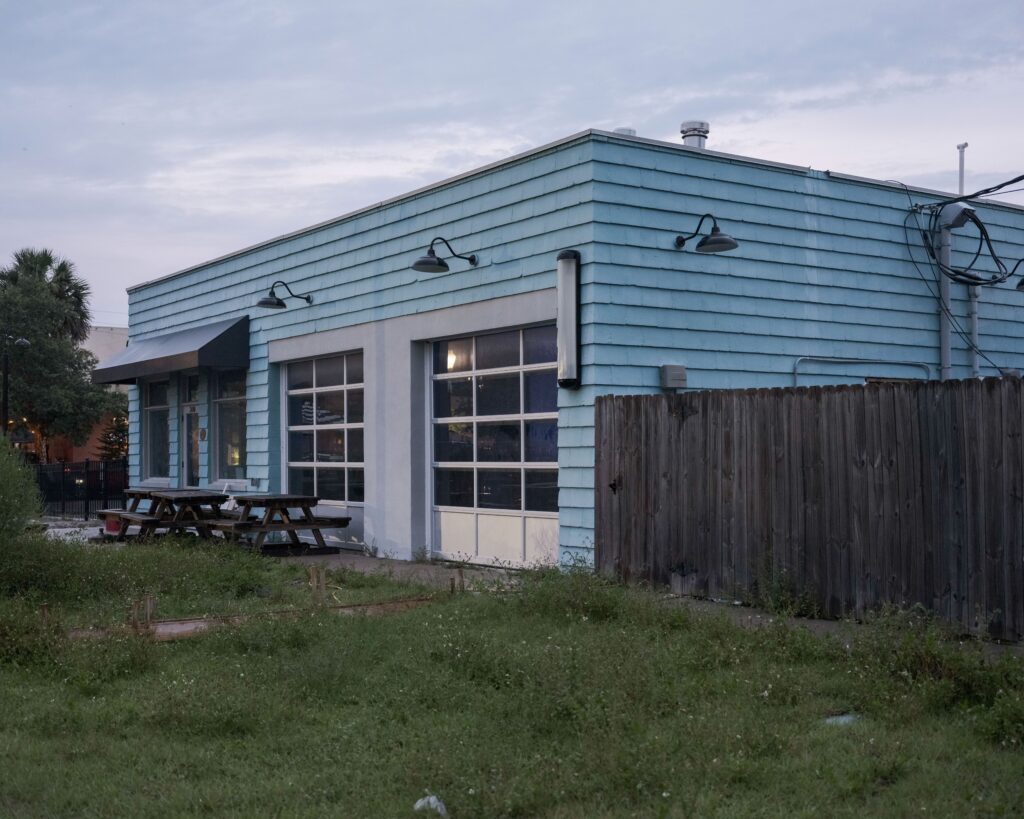
The checklist above applies to every steel shed. How you prioritise it depends on how the shed is used.
Residential Sheds
Garages and backyard sheds usually suffer most from stored items leaning on the walls and gardens built up against the base. Keep a gap between garden beds and the wall sheets. If you own one of the residential sheds Perth homeowners use every day, pay close attention to roller door guides, which take daily use.
Farm and Rural Sheds
Farm sheds work hard. Hay, machinery and livestock bring moisture, dust and impact damage. For rural sheds Perth and regional WA, check the base of the walls and the slab edges regularly, and keep stock from rubbing against the cladding.
Store hay off the slab and away from the walls with airflow around it. Damp hay holds moisture against the steel and is also a fire risk.
Commercial and Industrial Sheds
Larger buildings have more roof area, longer gutter runs and more doors. Schedule gutter clearing on a fixed cycle rather than waiting for overflow.
Assign maintenance to a named person or contractor so it doesn’t fall through the cracks. Roof access on large buildings should always be handled by trained contractors with the right safety equipment.
Mining Sheds
Remote sites combine dust, heat, chemicals and heavy vehicle traffic. For mining sheds Perth and Pilbara operators, build inspections into the site’s shutdown schedule. Pay particular attention to doors, column bases and anything vehicles can hit.
Keep a Shed Maintenance Log
A simple log helps you spot patterns, such as a gutter that blocks every autumn or a door that keeps dropping. It also gives you a record if you need to make a warranty or insurance claim, since manufacturer warranties can depend on reasonable maintenance being carried out.
Use a table like this one, kept in the shed or on your phone:
| Date | Task | Area | Notes and Follow Up |
|---|---|---|---|
| 02/03 | Cleared gutters, flushed downpipes | Roof | East gutter blocked, add leaf guard |
| 15/09 | Washed under eaves | Walls | Small scratch near PA door, touched up |
| 20/10 | Yearly inspection | Whole shed | Two loose roof screws replaced |
Take dated photos of anything you are watching, such as a slab crack or rust spot. Comparing photos over time shows whether a problem is stable or getting worse.
What Can You DIY and When Should You Call a Professional?
Most routine shed maintenance is a simple DIY job. Cleaning, lubricating doors, resealing windows, clearing gutters from a ladder and touching up small scratches are all within reach for most owners.
Call a professional for roof work, structural repairs, roller door spring adjustment, replacing wall or roof sheets and anything involving the frame or footings. These jobs carry real safety risks and need the right fixings to keep your shed’s engineering intact.
If you do use a ladder, follow SafeWork NSW’s working at heights guidance. Keep three points of contact, don’t stand on the top two steps of an A frame ladder and secure extension ladders where you can. Never walk on a roof without fall protection.
Signs Your Shed Needs More Than Maintenance
Regular maintenance handles most issues. These signs point to a bigger problem that needs a professional assessment:
- Rust that has eaten through a wall or roof sheet rather than sitting on the surface
- Doors that no longer line up, which can mean the frame has moved
- Cracks in the slab that are widening or letting water in
- Columns or bracing that are bent, loose or corroded at the base
- Persistent leaks that return after resealing
- Roof sheets that move or lift in strong wind
For an older shed, a professional inspection can tell you whether a refurbishment is worthwhile. Replacing gutters, doors or a few sheets often adds years of life to a sound frame.
Sometimes repair costs approach the price of a new building, especially when the frame or slab is affected. If you’re weighing up the options, our guide to shed cost in Perth gives you a realistic starting point.
Built to Last From the Start With Action Sheds
The easiest shed to maintain is one designed properly from day one. The right steel, the correct wind rating, good drainage and enough ventilation all reduce the work you’ll do over the life of the building.
Action Sheds is a family run business based in Perth. We’ve supplied and built thousands of steel sheds across Australia, from domestic garages to large industrial, commercial and farming buildings. Our sheds are built from BlueScope steel and engineered for the site they stand on.
As an experienced shed builder, we can advise on the details that cut maintenance down the track, such as gutter sizing, vent placement and door choice. Start planning with our custom shed designer, or talk to our team about your site.
Frequently Asked Questions
What Shed Will Last the Longest?
A steel shed built from quality coated steel, engineered for its site and maintained regularly will outlast timber and lighter kit sheds. Steel doesn’t rot, warp or attract termites. With regular washing and early touch ups, the coating protects it for decades.
My Shed Is Rotting at the Bottom. How Can I Fix It?
In a steel shed, “rot” at the bottom is usually rust where soil, mulch or water has sat against the wall sheets. Clear the base, improve drainage and treat any surface rust. If the steel has rusted through, have the affected sheets or bottom rail replaced.
In a timber shed, cut out and replace the rotten timber, then raise it off the ground and seal it.
What Shouldn’t You Store in a Shed?
Avoid storing pool chemicals, fertilisers and other corrosive products against steel walls, as fumes and spills attack the coating. Keep fuel and flammable liquids in approved containers away from heat. Items that hold moisture, such as damp hay or wet tarps, should not sit against the cladding.
What Is the Best Shed for the Money?
The best value shed is the one that suits your use and needs the least maintenance over its life. A correctly specified steel building usually costs less to own than a lighter shed that needs repairs every few years. For farm sheds and large buildings especially, engineering and site suitability matter more than the upfront price.
Is It Cheaper to Buy or Make a Shed?
Building a shed yourself can save on labour for small structures. For anything larger, buying an engineered kit or a fully built shed is usually better value once you count materials, approvals, tools and time. Check current shed prices before deciding.
Look After Your Shed and It Will Look After You
Shed maintenance doesn’t take much. A monthly walk around, a wash twice a year and a yearly inspection will keep a steel shed sound for decades.
Adjust the schedule for your location, keep soil and debris off the walls, treat rust early and leave roof and structural work to professionals. Catch small issues early and you’ll avoid the costly ones.
The easiest shed to maintain is one designed right from day one. Plan your next shed online using our 3D tool, or get in touch with our team to talk through maintenance, size, use and site requirements.
Either way, you’ll be working with a family run Perth business that has built thousands of steel sheds across Australia.


